
Anxiety is one of the most common mental health challenges today, but it doesn’t look the same for everyone. In fact, research shows that men and women often experience and express anxiety differently, which can impact how it’s recognized and treated.
Let’s explore how anxiety manifests, what it can stem from, and natural approaches to calm and rebalance your mind and body.
🔍 How Anxiety Shows Up in Women vs. Men
Women
- More likely to experience generalized anxiety, panic attacks, and phobias.
- Common physical symptoms: digestive issues (bloating, IBS), tension headaches, fatigue.
- Emotional symptoms: excessive worrying, overthinking, restlessness, irritability.
- Women often internalize stress, which can lead to insomnia, hormonal imbalance, and emotional overwhelm.
Men
- More likely to experience social anxiety and substance-related coping mechanisms.
- Common physical symptoms: muscle tension, chest tightness, high blood pressure.
- Emotional symptoms: irritability, anger, or withdrawal rather than vocalizing worry.
- Men often externalize stress, which can show up as risk-taking behaviors or burnout at work.
🌱 Where Does Anxiety Stem From?
Anxiety is multi-layered and can arise from:
- Biology: genetics, hormone fluctuations, neurotransmitter imbalances.
- Lifestyle: chronic stress, poor sleep, high caffeine/alcohol intake.
- Trauma & Emotional Triggers: unresolved childhood patterns, past experiences, or perfectionism.
- Environmental Factors: mold exposure, EMFs, toxins, nutrient deficiencies (like magnesium, B vitamins, or amino acids that support neurotransmitters).
✨ Holistic Approaches to Managing Anxiety
True healing goes beyond medication alone—it’s about creating balance in the body, mind, and spirit. Here are some integrative ways to support anxiety relief:
1. Nutrition for Calm
- Focus on whole, nutrient-dense foods: leafy greens, omega-3 rich salmon, pumpkin seeds, nuts, and avocados.
- Limit stimulants like caffeine and sugar that spike cortisol and worsen jitters.
- Support gut health with probiotics and fiber—your gut and brain are deeply connected.
2. Lifestyle Practices
- Breathwork & Meditation: slows down the nervous system and lowers cortisol.
- Movement: yoga, walking, or dance to release physical tension and boost mood-enhancing endorphins.
- Sleep Hygiene: create a calming bedtime routine, reduce screen time, and consider magnesium before bed.
3. Herbal & Natural Support
- Adaptogens like ashwagandha and rhodiola can regulate stress response.
- Chamomile, lavender, or lemon balm teas can promote relaxation.
- Magnesium glycinate or L-theanine may support calm focus naturally.
4. Mindset & Emotional Wellness
- Journaling to release racing thoughts.
- Therapy or coaching to process root causes and reframe negative thought loops.
- Practices like EFT (tapping) to regulate the nervous system.
💛 Final Thoughts
Anxiety is not a one-size-fits-all experience. By honoring the differences in how men and women experience it—and addressing the root causes—you can move beyond managing symptoms to truly healing.
If anxiety is something you or a loved one struggle with, know that you are not alone. Small daily practices add up to big shifts. Begin by nourishing your body, calming your mind, and reaching for support when you need it.
✨ Your health is not just about eliminating stress—it’s about cultivating resilience and peace.
💌 Don’t forget: We have spots open this month for Hair Analysis. Link to Book: https://ghw.practicebetter.io/#/65a707a4a73ebff6df550568/bookings





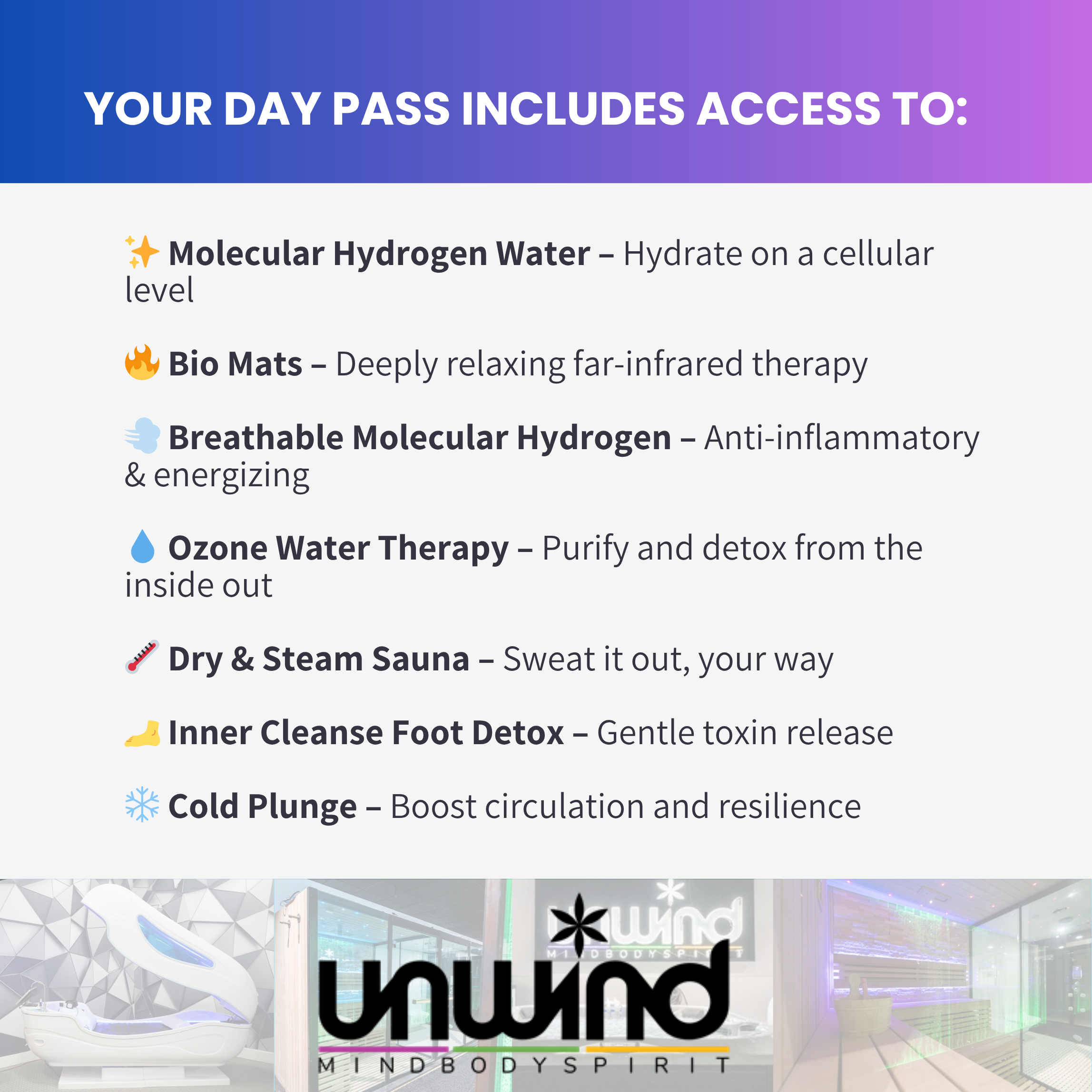
Mention Golden Heart Wellness's Newletter and get 50% off




Responses